
THE MARDE PLATFORM
Distance. Access.
One coordinated system.
Air, Ground, Nexus and Modules are being developed together to extend useful response capability toward the patient before EMS arrives.
01 INTEGRATED BY DESIGN
Arrival is a start.
Access is the next step.
Emergency drones demonstrate the value of rapid aerial response. MARDE is exploring what happens after that arrival: a coordinated ground approach, directed by a human operator, carrying the response payload closer.
Each part has a distinct job. Nexus connects them into a workflow designed to complement professional responders.
System concept · Hardware in development
02 MARDE AIR / DISTANCE
Move the response
toward the scene.
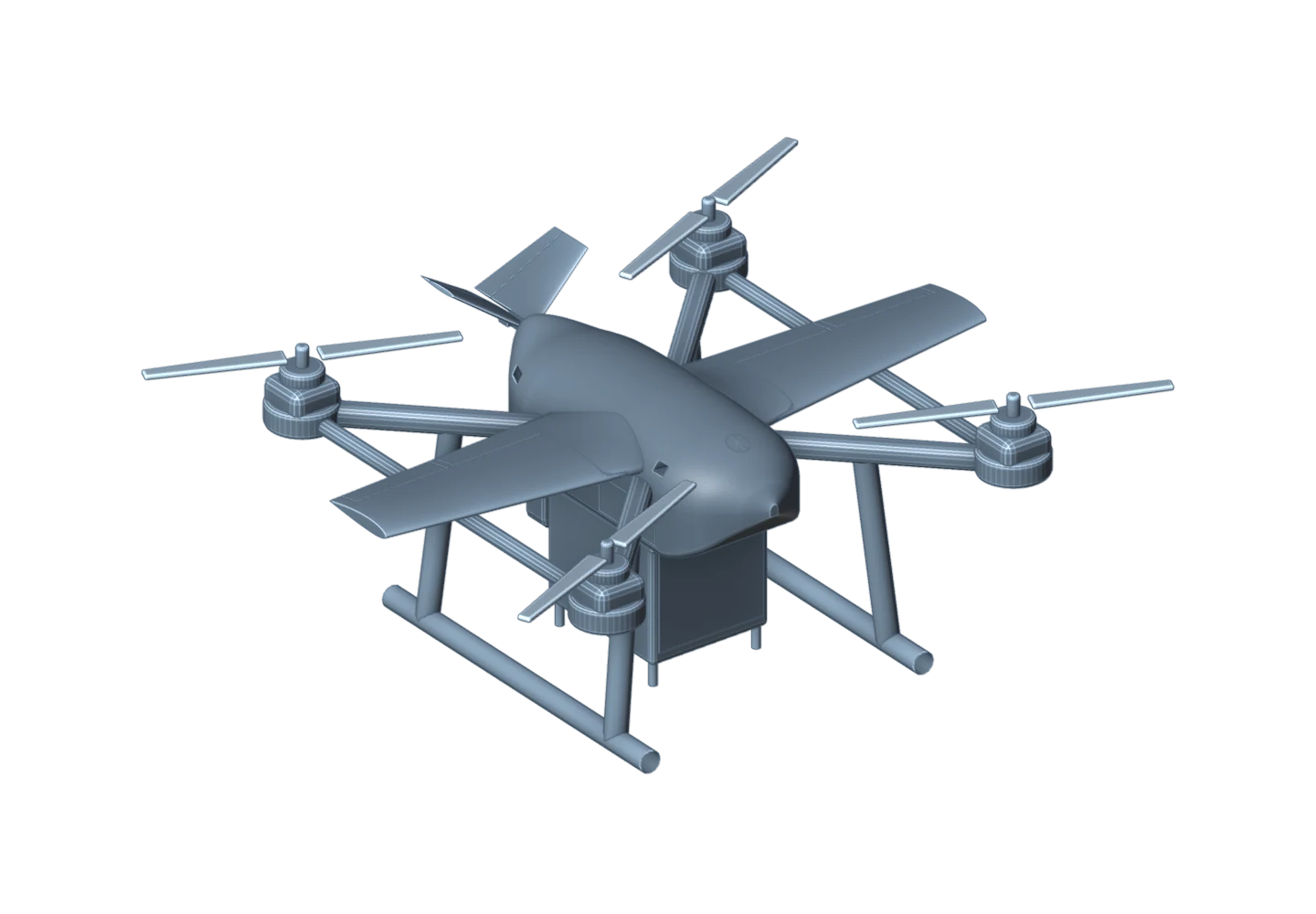
Aerial transport for the integrated Ground and payload system.
Air V1 is in engineering development. Its role is to carry the response system toward the emergency, with operator authorization built into the intended workflow.
- Transport within a coordinated mission
- Planned Air–Ground handoff
- Geometry and performance to be validated
03 MARDE GROUND / ACCESS
Continue beyond
aerial arrival.
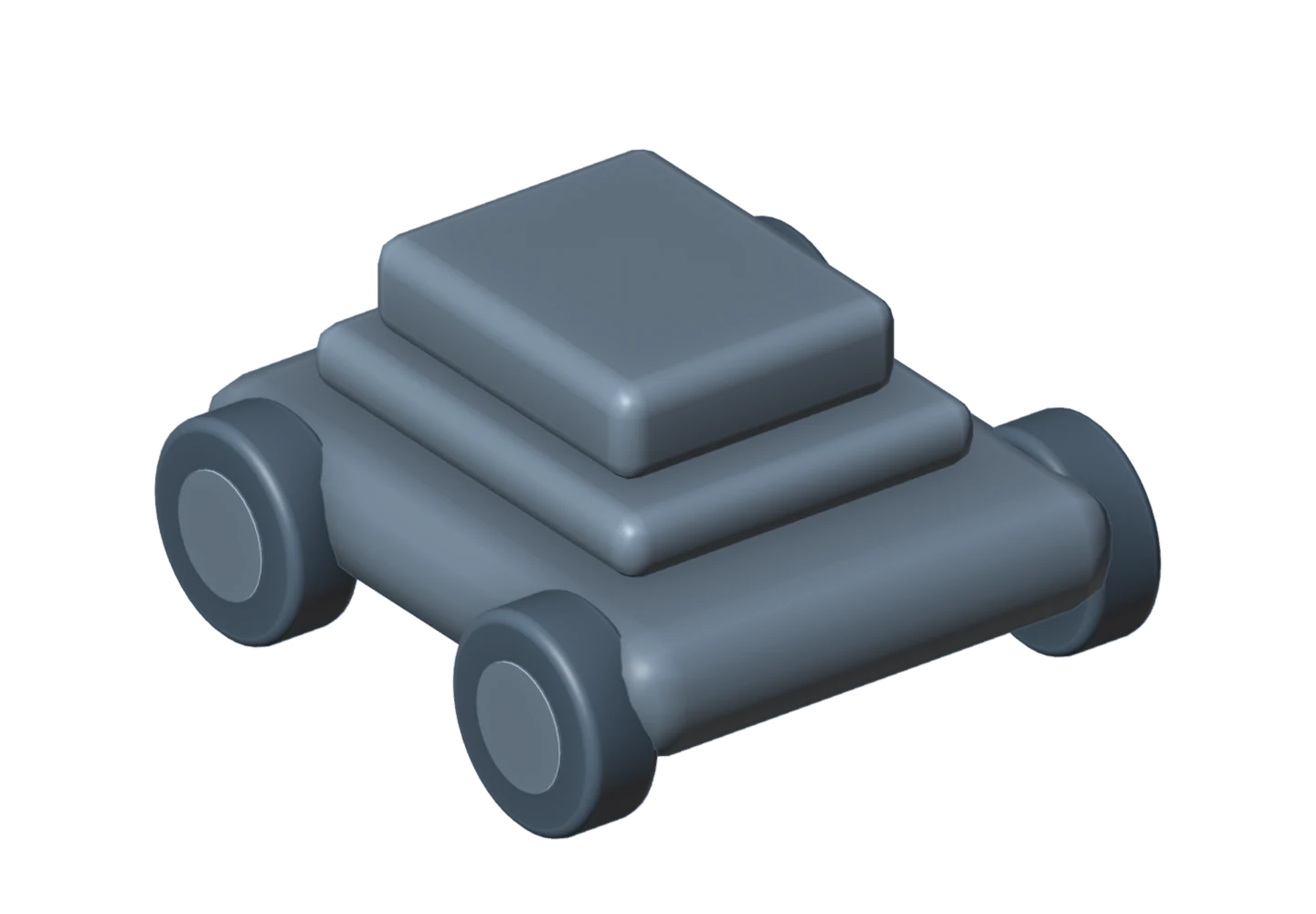
The final approach is a ground problem.
Ground V1 is intended to move toward the patient where the aircraft cannot directly reach. A trained operator directs that approach. Terrain, stairs and constrained spaces are design considerations to investigate through engineering and testing.
- Teleoperated first
- Integrated response payload
- Final-access capability remains a design objective
04 MARDE NEXUS / COORDINATION
Human control.
A shared view.
Nexus is the planned command layer for mission context, system readiness, operator authorization and the handoff between Air, Ground and EMS.
A shared operational picture.
Review the intended route and system readiness before authorizing a mission.
- +Mission context
- +Air / Ground readiness
- +Planned handoff
Authorization is part of the architecture.
The underlying software is still in development. Nexus V1 is not an autonomous medical decision system. Consequential actions remain with trained operators.
05 INTERVENTION MODULES / CAPABILITY
A platform built
to carry more purpose.
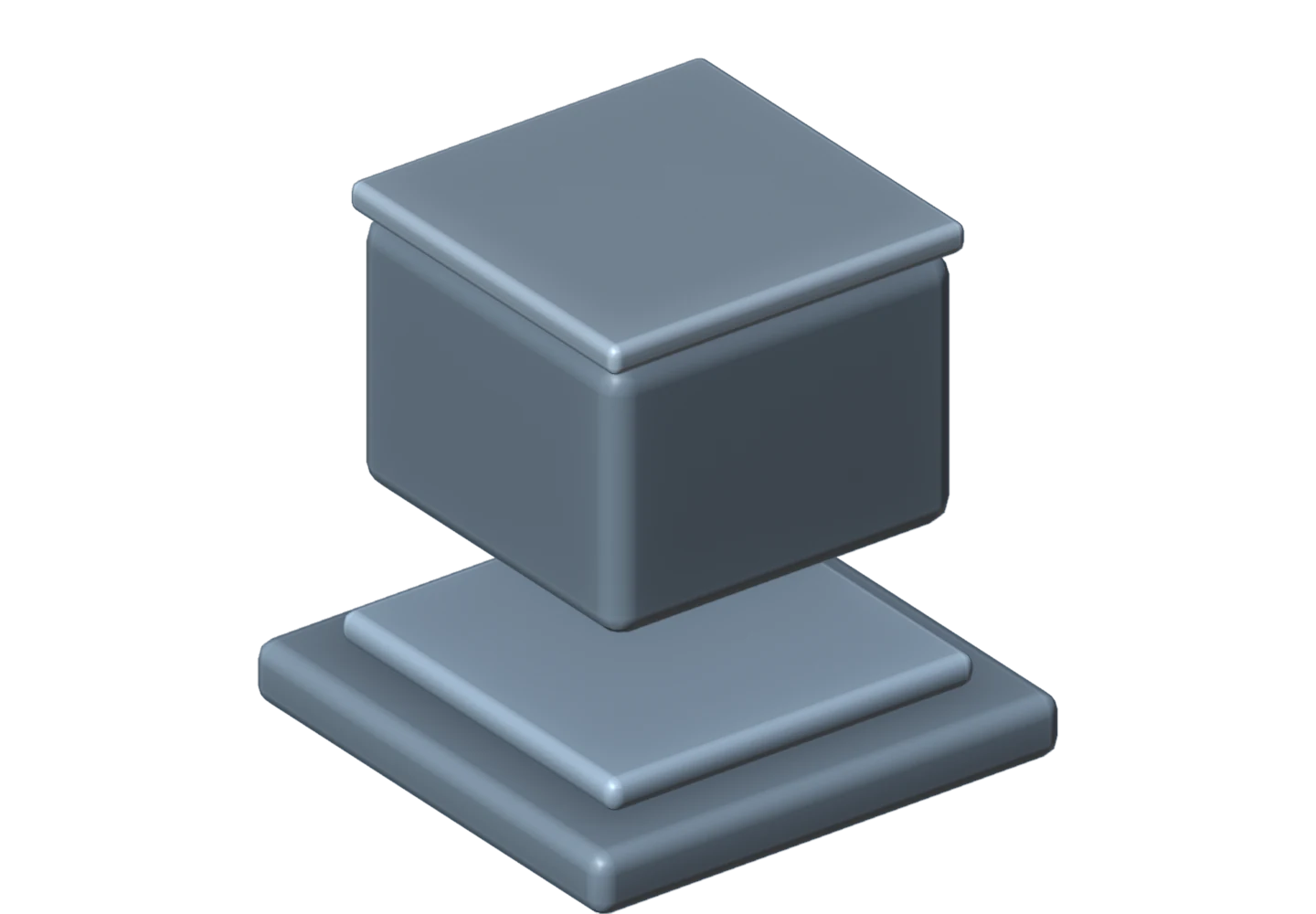
Adaptable payloads, coordinated with the response.
Near-term development focuses on delivery, secure-response functions and payload integration. The modular concept leaves room for future capabilities as evidence and requirements develop.
Advanced medical modules would require further engineering, clinical, operational and regulatory validation. They are not current MARDE treatment capabilities.
06 THE INTENDED V1 WORKFLOW
From dispatch
to professional care.
One conceptual sequence. Clear responsibility at every transition.
911 / EMS dispatch
An emergency response begins within the professional dispatch workflow.
Select a step to explore. This is the intended V1 workflow, not a live mission.
07 EVIDENCE BEFORE EXPANSION
Build. Integrate.
Then prove the workflow.
Our next milestone is an integrated human-in-the-loop demonstration of Air V1, Ground V1 and Nexus V1. We are pre-prototype, with no validated full-system performance or commercial pilots.
- V1 / DEVELOPMENT FOCUS
Human-directed
Operator review, teleoperation and controlled system integration.
- FOLLOWING VALIDATION
Assisted operation
Explore assistance that can be evaluated against measured reliability and operator needs.
- LONGER-TERM DIRECTION
Progressive autonomy
Expand only as engineering evidence, operational evaluation and applicable approvals support it.
THE NEXT CONVERSATION
Let’s build a better response.
For EMS, public-safety teams, engineers and researchers: help shape the system around real operational needs.
Contact MARDE